
Limiting the Lubrication with MQL
A Minimum Quantity Lubrication (MQL) system allows operators to drill holes, tap holes, cut molds and machine metal with little or no coolant.
Share


Phillips Corporation - Education
Featured Content
View More

Phillips Corporation
Featured Content
View More

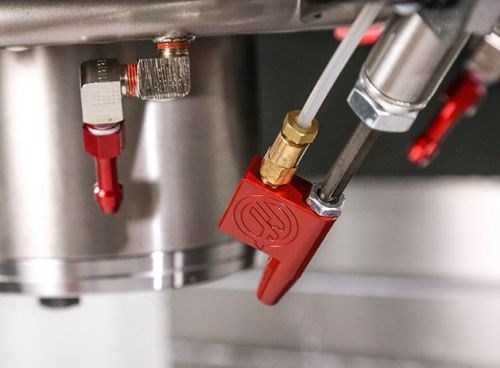
The Haas Minimum Quantity Lubrication (MQL) system allows machine tool operators to drill holes, tap holes, cut molds and machine metal with little or no coolant by delivering a steady flow of compressed air and small quantity of cutting oil directly to the cutting tool or tap. This reduces heat, removes chips and provides lubrication—not much oil, but just the right amount to be effective. This extends tool life, the company says, and in some cases eliminates the requirement for coolant during milling operations. The system’s key features include:
- An oil reservoir, spray nozzle and pressure-gage regulator
- A needle atomizer valve located at the tip of the Automatic Air Gun (the AAG is required in conjunction with the MQL system)
- The amount of oil delivered is set by the air-pressure regulator on the reservoir
- The air supplied to the reservoir comes from the main air manifold on the machine
- The system does not need a separate air line
- The AAG air line is connected to the MQL reservoir
- Recommended air pressure is between 40/60 psi (2.7/4.1 bar), depending on the type of oil
Haas lists benefits including reduced chip welding, improved part quality, a cleaner machine both inside and out, and chips that are dry and ready to be recycled. In some applications the company says that MQL eliminates the requirement for flood coolant.
Related Content
-
Maximizing Milling Operations With the Right Cutter
Selecting milling cutters that are suited to the task at hand can reduce cycle times, improve part quality and save money. Here’s where three milling cutters excel.
-
Choosing the Right Drill Type
Specifying the right option for your application can save time and tools.
-
Step by Step Guide: How to Choose the Right Threading Tap
From flute geometry to coolant channels, a step-by-step guide to selecting the right tap for better thread quality, longer tool life and more efficient machining.


