
When the Chips Are Down
Once the chips begin piling up, how does your company deal with them? While there are as many different approaches as there are machine shops, the most efficient systems share a few important traits.

Share


Phillips Corporation - Education
Featured Content
View More


Phillips Corporation
Featured Content
View More

Every machine shop has developed its own procedure for chip disposal. This is necessitated by concerns such as the configuration of the facility, the metalworking fluids in use, the materials being machined and the type of chips being produced.
Whatever type of system a company has developed, I generally encounter a desire for a better process, or for certain improvements, during the shop visits I make. For example, one company would like to automate the process to the greatest extent possible, while another is interested in environmental compliance. Others want to reclaim fluids from chips to lower new coolant costs. Whatever the situation, the basic steps involve:
- Transport: Getting the chips from the machine tool to the processing system can be accomplished in many ways, either manually or via conveyors.
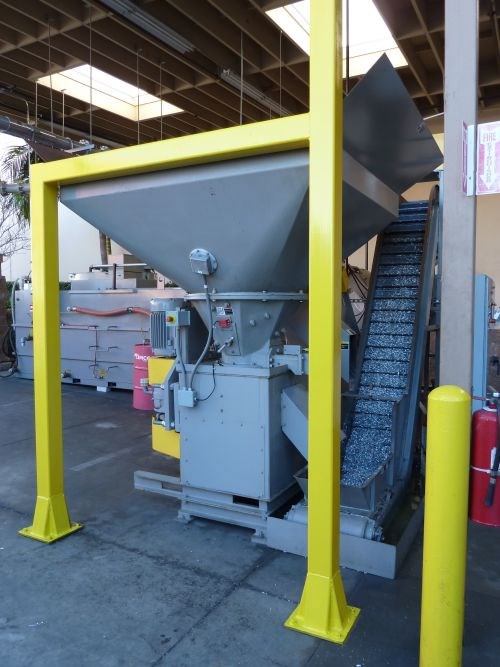
- Size: Grinding or sorting chips to a uniform size.
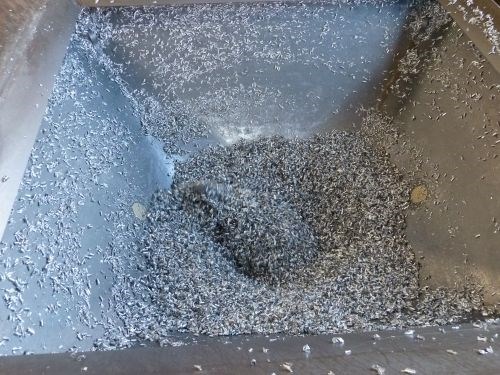
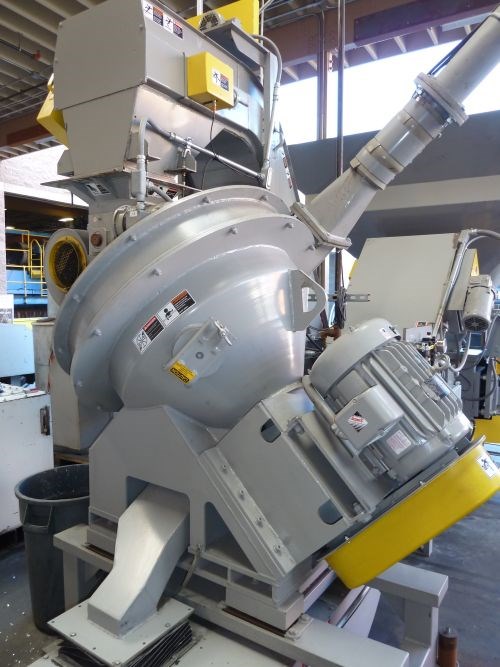
- Separation: Once the chip size is relatively standard, and tramp metals such as bolts, etc., have been removed, the chips are introduced into a centrifugal spinning device, sending coolant to a filtration system and dry chips to a bin.
- Disposal: Dry chips are transported to a bin and handled by a disposal company. In the example photographed above, the dry, uniform chips are driven by air through overhead piping to the bin, which can automatically send emails to both the machine shop’s general manager and the disposal company that the bin is full and ready for pickup.
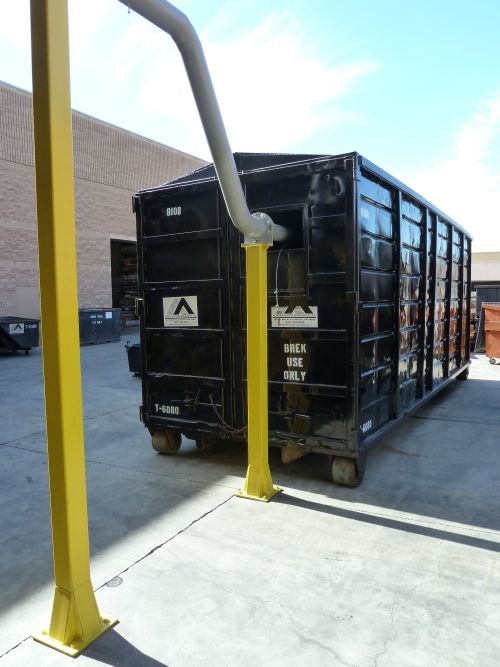
One of the most efficient systems I’ve seen first-hand was during a visit to Brek Manufacturing, which had recently installed a leading-edge system with another one soon to be installed.
Related Content
-
Why Slow Quoting Is Costing U.S. Machine Shops Work
A shop can have the right machines, people and capacity — and still lose the job. The reason may be quoting speed. This AI tool is built to close that gap.
-
How to Implement Zero-Point Workholding
The value of zero-point workholding systems is that your machine stops being tied to your setups. Once you see it that way, the day-to-day uses are easy to find.
-
How to Mitigate Risk in Your Manufacturing Process or Design
Use a Failure Mode and Effect Analysis (FMEA) form as a proactive way to evaluate a manufacturing process or design.


